
Disclaimer
Nextpad++ is an independent community port and is not affiliated with or endorsed by the Notepad++ project.
Resident Evil 0 N64 Prototype Rom 2021 ^hot^ May 2026
Nextpad++ is macOS native editor for Apple Silicon and Intel Macs.
Nextpad++ is an independent community port and is not affiliated with or endorsed by the Notepad++ project.
Nextpad++ is macOS native editor for Apple Silicon and Intel Macs.
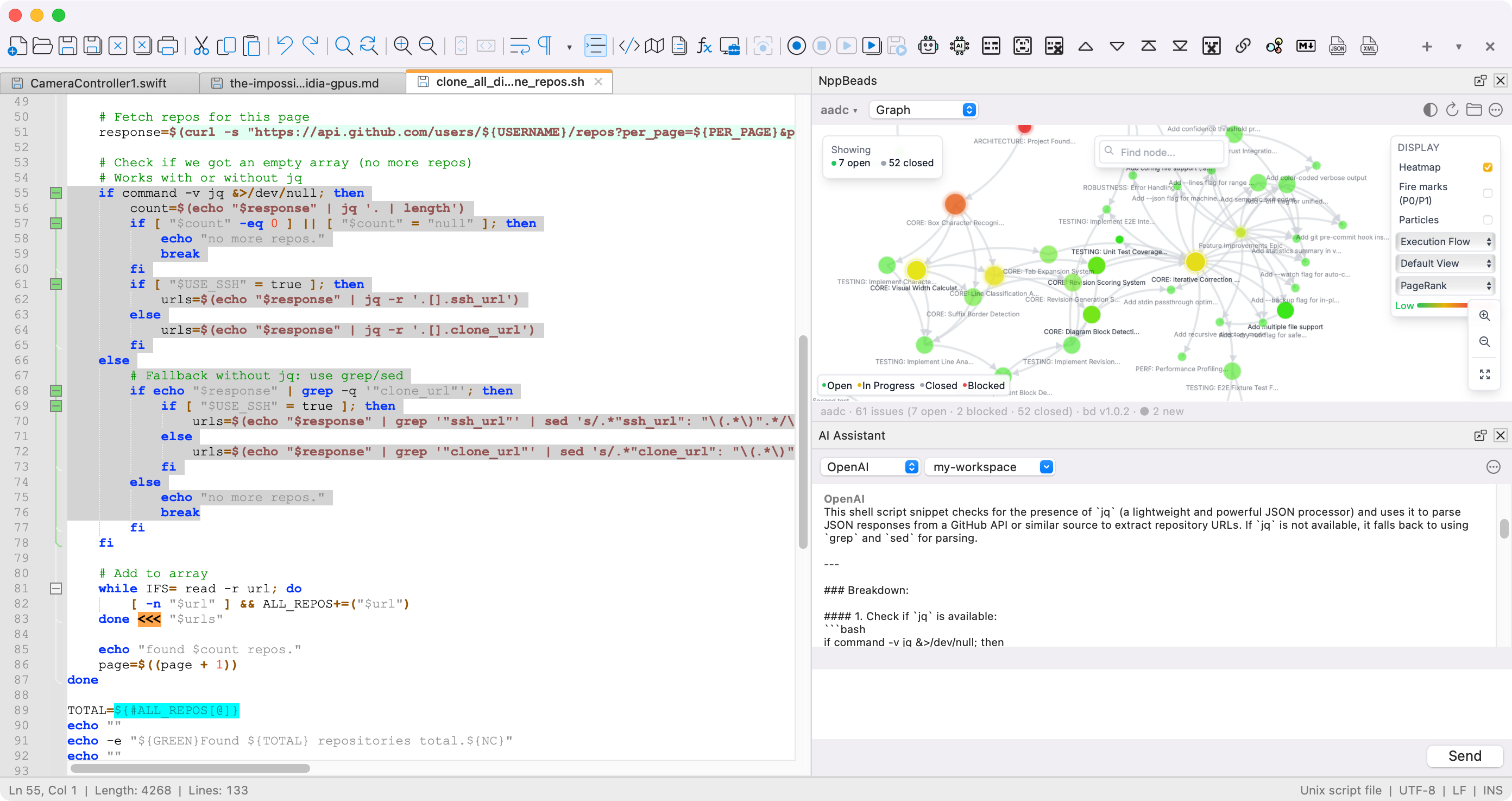
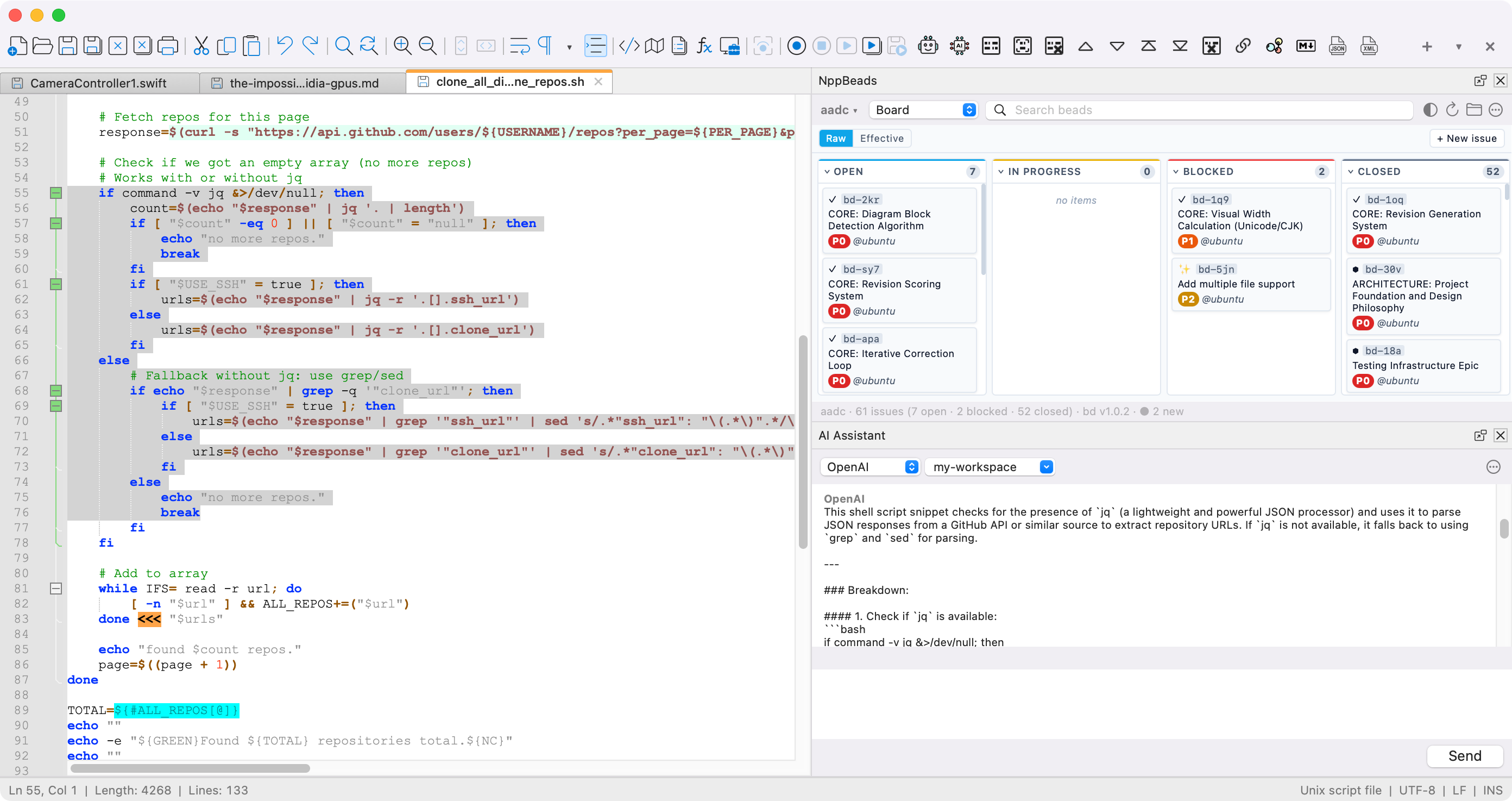
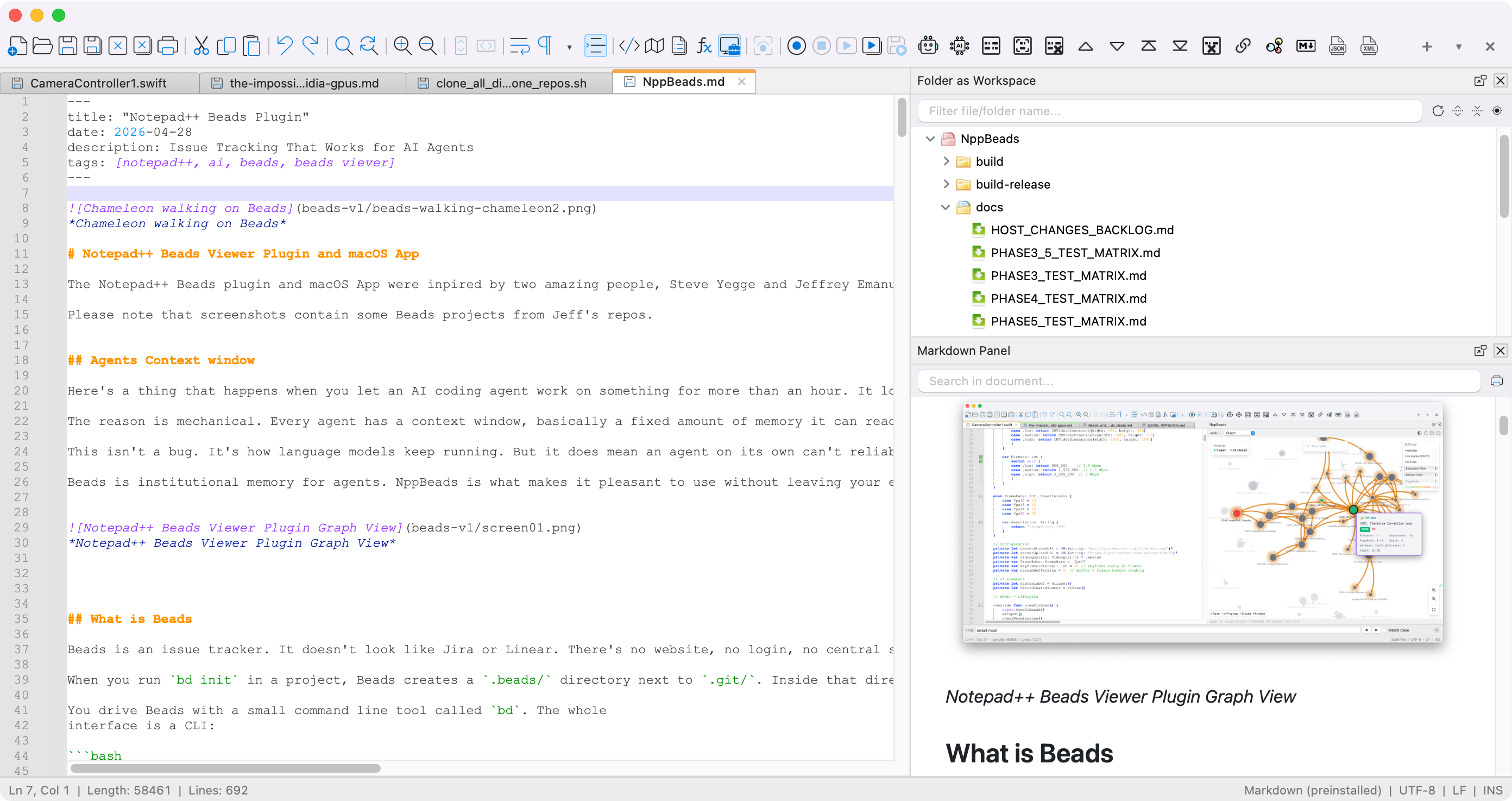
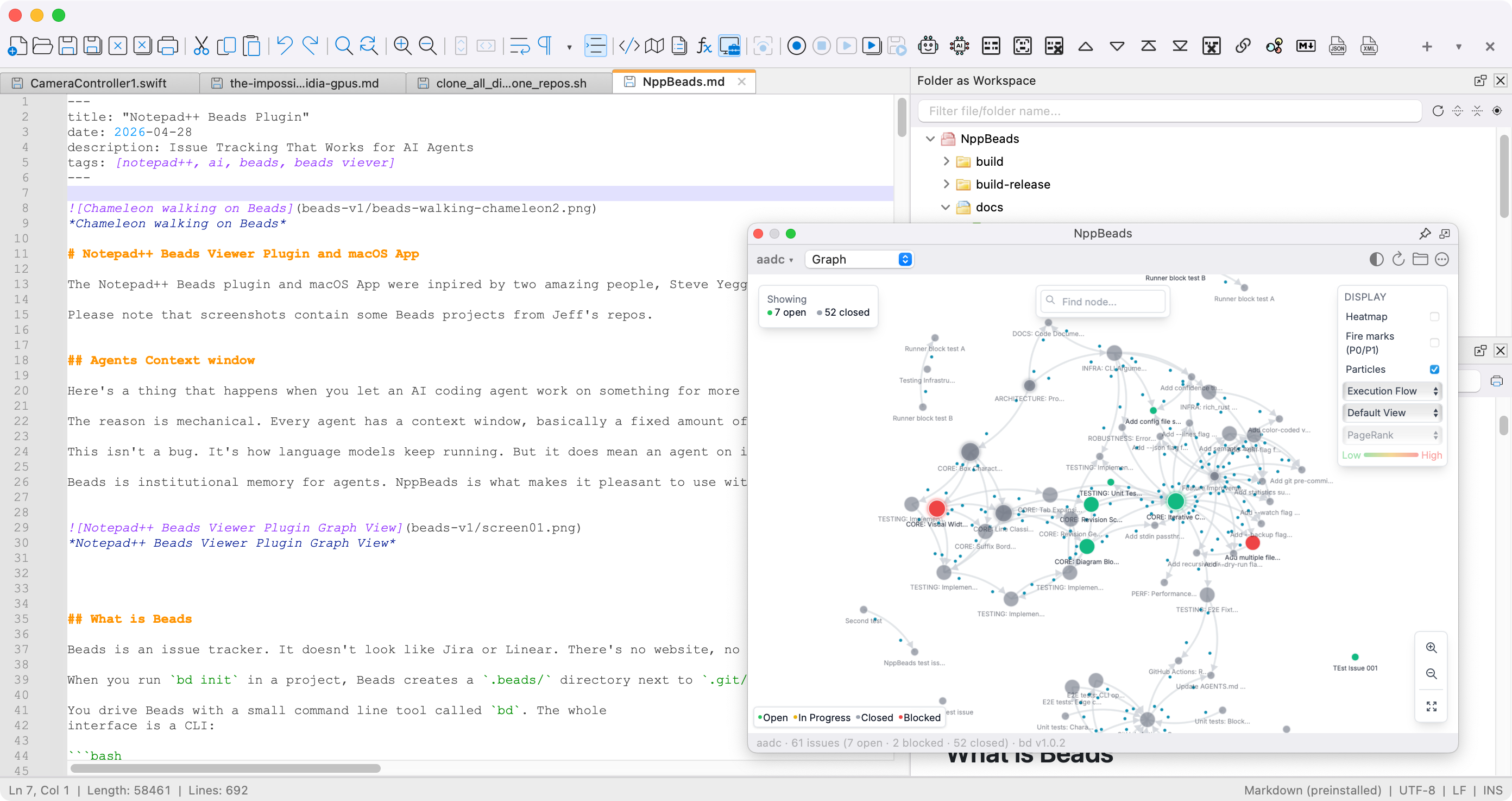
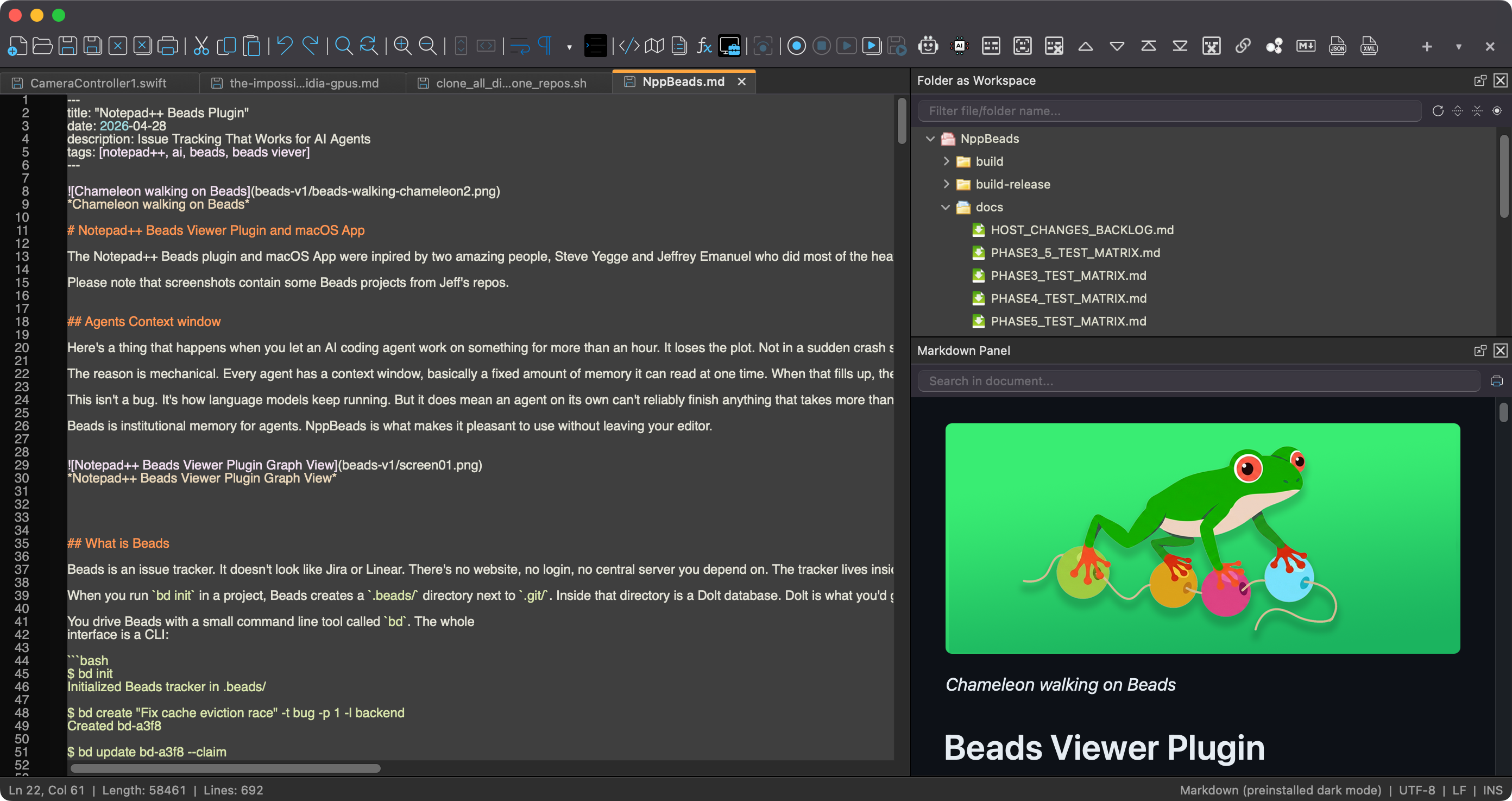
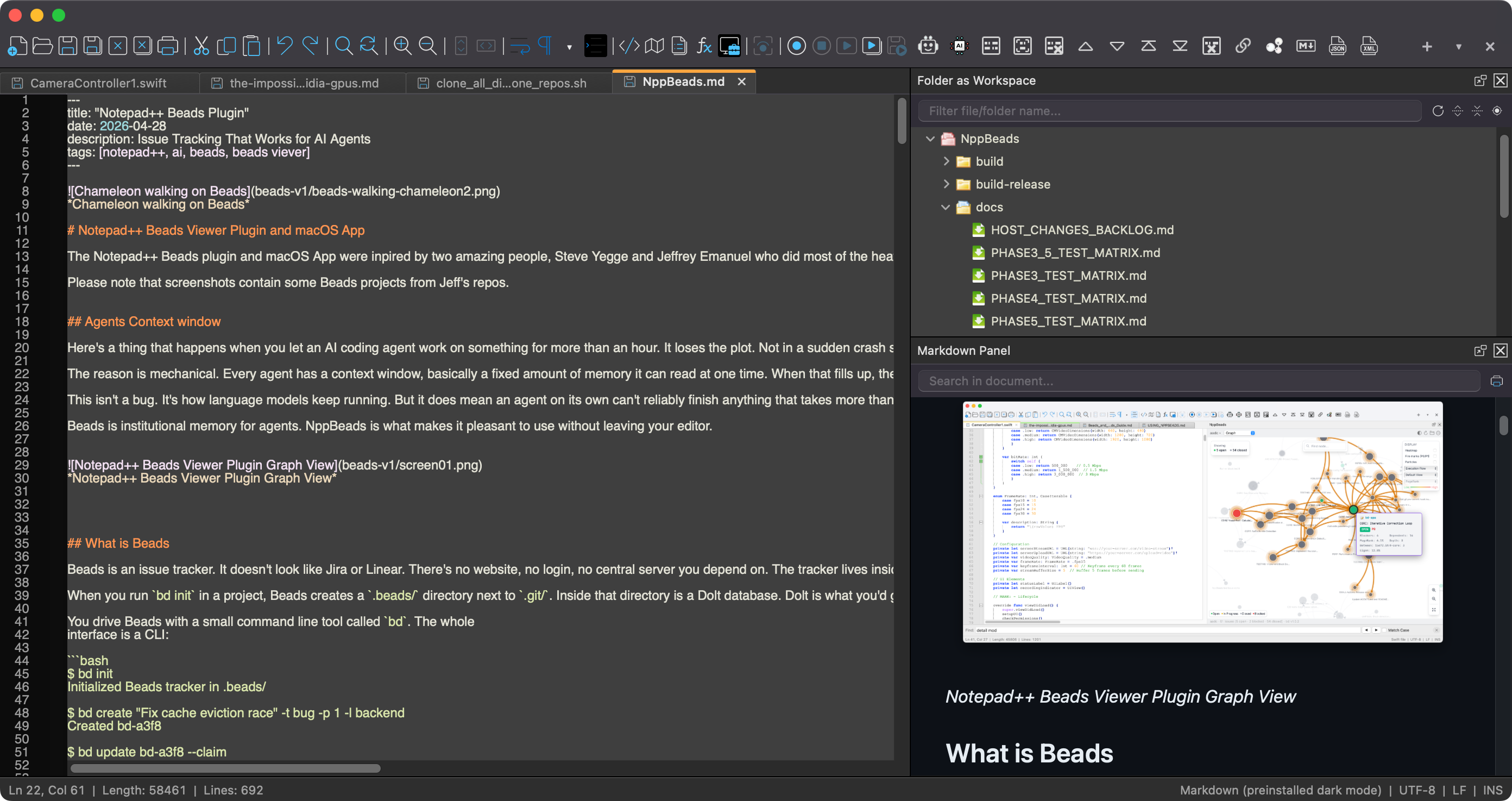
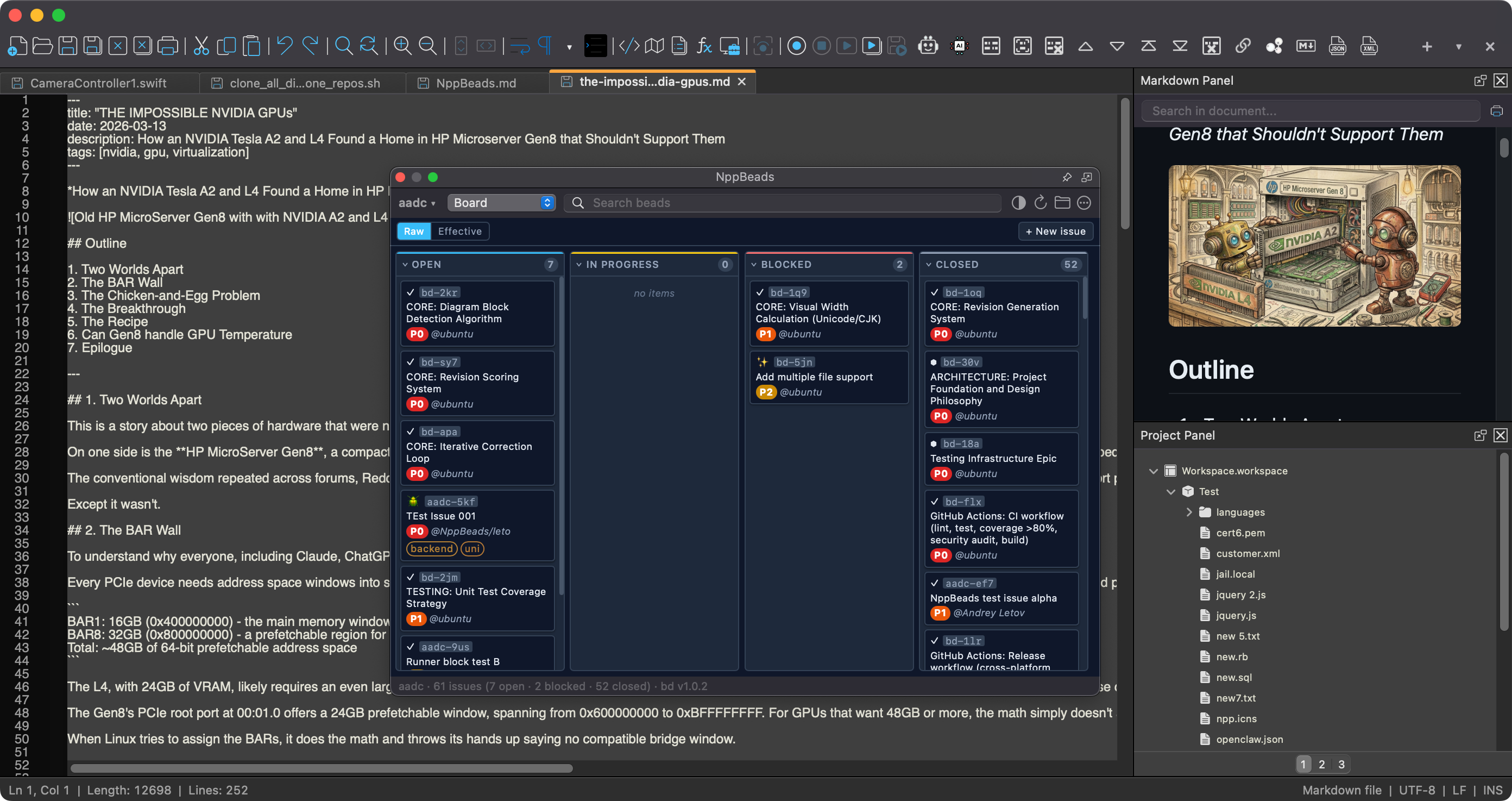
Nextpad++ has powerful features and built to feel right at home on macOS.
Support for 80+ programming languages with customizable color themes and user-defined languages. Switch Nextpad++ to the language you speak. It supports 137 languages out of the box.
Extend functionality with a rich plugin ecosystem. Customize your editor to match your workflow. More plugins are being migrated to macOS as we speak.
Built for M-series chips. Launches instantly, runs efficiently, and respects your battery life.
Powerful search with regular expressions, find in files, bookmark lines, and incremental search.
View and edit two documents side by side, or two parts of the same document simultaneously.
Record, save, and replay macros to automate repetitive editing tasks with ease.
Nextpad++ is a free, open-source source code editor that supports many programming languages and is great for general text editing. No Wine, Porting Kit, or emulation layer is needed — this is an independent native Notepad++ port governed by the GNU General Public License.
Based on the powerful editing component Scintilla, Nextpad++ for Mac is written in Objective C++ and uses pure platform-native APIs to ensure higher execution speed and a smaller program footprint. I hope you enjoy Nextpad++ on macOS as much as I enjoy bringing it to the Mac.
This project is an open-source and independent community port of Notepad++ to macOS, started on March 1, 2026. It is distributed as an Apple Developer ID-signed and Apple-notarized Universal Binary, runs natively on both Apple Silicon (M1–M5) and Intel Macs, and contains no telemetry, no advertising, and no data collection of any kind. The full source is available at github.com/nextpad-plus-plus/nextpad-plus-plus-macos. For the official Windows version of Notepad++, visit notepad-plus-plus.org.
The Resident Evil 0 N64 prototype ROM has also sparked discussions about preservation and the complexities of game development. The ROM serves as a testament to the importance of preserving gaming history and the need for accessible archives of game development materials.
The Resident Evil 0 N64 prototype ROM is an important piece of gaming history, providing a unique glimpse into the development of one of the most influential game franchises. Its discovery in 2021 has sparked a renewed interest in gaming preservation and the importance of understanding the evolution of game development. resident evil 0 n64 prototype rom 2021
The discovery of this prototype ROM has sparked intense interest among gamers, historians, and researchers. It provides a unique opportunity to study the game's development and the challenges faced by the development team. The ROM also sheds light on the technological limitations of the N64 and the trade-offs made during the game's development. The Resident Evil 0 N64 prototype ROM has
Resident Evil 0, released in 2016 for the PC, PlayStation 3, Xbox 360, and other platforms, was initially intended to be a launch title for the Nintendo 64. The game, developed by Capcom, was meant to be a prequel to the original Resident Evil. However, due to the console's limitations and the development challenges, the project was eventually moved to the PlayStation. Its discovery in 2021 has sparked a renewed
The leaked N64 prototype ROM, dated 2021, showcases an early version of Resident Evil 0. The ROM provides an interesting insight into the game's development, revealing significant differences between the final product and this early build. The prototype features placeholder assets, unimplemented gameplay mechanics, and a rough, unpolished experience.